Congenital heart defects in children are medical conditions that appear since birth as a result of a malformation in the formation of the heart or blood vessels during pregnancy. These defects vary in their severity and impact on the child's health; they may be simple and require only follow-up,
or complex cases that require early medical intervention. Early diagnosis and developing an appropriate treatment plan help reduce complications and clearly improve the child's quality of life.
What are congenital heart defects in children?
 Causes of congenital heart defects in children
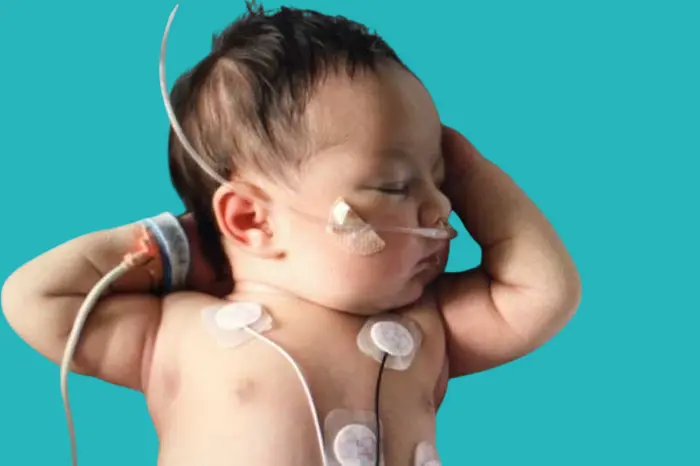
Congenital heart defects in children are structural deformities in the heart, valves, or major blood vessels that occur before birth and affect the way blood flows inside the heart or to the rest of the body.
Causes of congenital heart defects in children
There are several factors that may increase the probability of congenital heart defects in children, the most important of which are:
- Genetic factors and a family history of the condition.
- The mother contracting a viral infection during pregnancy.
- Taking unsafe medications during pregnancy.
- Deficiency of some essential nutrients for the mother.
Symptoms of congenital heart defects in children
The symptoms of congenital heart defects in children vary depending on the type and severity of the defect and include:
- Difficulty or rapid breathing.
- Poor feeding and slow weight gain.
- Blueness of the lips or extremities.
- Rapid fatigue and low activity.
Methods of diagnosing congenital heart defects in children
Diagnosis of congenital heart defects in children relies on a set of medical examinations such as:
- Medical examination and listening to a heart murmur.
- Ultrasound of the heart (Echocardiogram).
- Electrocardiogram (ECG).
- X-rays and in some cases diagnostic catheterization.
Medical treatment for congenital heart defects in children
In some cases, medical treatment is used as part of the treatment plan for congenital heart defects in children, aiming to alleviate symptoms and improve heart efficiency. Medications include:
- Diuretics to reduce fluid retention.
- Medications to regulate heart rhythm.
- Medications to support and strengthen the heart muscle.
Cardiac catheterization as a treatment option
Cardiac catheterization is one of the modern methods for treating some types of congenital heart defects in children, as it is used to close holes or widen valves without open surgery, which reduces recovery time and potential complications.
Heart surgery to treat advanced cases
Medical teams resort to surgery in cases of congenital heart defects in children that do not respond to medical treatment or catheterization. Surgery aims to repair structural defects and improve blood flow within the heart.
Medical follow-up and lifestyle
Even after treating congenital heart defects in children, regular follow-up remains necessary to monitor heart functions, along with adherence to the doctor's instructions regarding physical activity and proper nutrition to ensure the child's healthy and safe growth.
Frequently asked questions about congenital heart defects in children
Can congenital heart defects in children be detected early?
Yes, they can sometimes be detected during pregnancy or immediately after birth through medical examinations.
Do all cases of heart defects require surgery?
Some cases are simple and only require medical follow-up without surgical intervention.
Do congenital heart defects affect the child's life in the future?
With appropriate treatment and regular follow-up, many children can lead a normal life.
Article Summary
Congenital heart defects in children are conditions that require accurate diagnosis and an appropriate treatment plan according to the type and severity of the defect. Treatment methods vary between medications, cardiac catheterization, and surgery, with the importance of continuous medical follow-up to ensure the best health outcomes and proper growth for the child.

Scientific Degree: Pharmacist
Country: Egypt
Pharmacist Hossam Mohamed Abdel Azeem is a Doctor of Pharmacy (PharmD) and a specialized medical content writer. He holds a Bachelor's degree in Clinical/General Pharmacy from Suez Canal University (Ismailia). With practical experience dating back to 2013 in community pharmacy practice and pharmaceutical consulting, he has worked with prominent establishments such as certified pharmaceutical institutions in Egypt. Dr. Hossam specializes in simplifying complex medical information, analyzing drug interactions, and clarifying medication usage for the general public, ensuring the delivery of reliable, evidence-based medical content.
Published Date: 28 December 2025
you should ask your doctor before taking this medicine