The appearance of pimples on children's skin is among the things that may cause parents concern, especially when they appear at an early age and before the adolescent stage. Early acne in children differs in its causes and method of management from acne in adolescents.
Therefore, it requires a correct understanding of the nature of the problem and safe treatment methods. Early and correct management of early acne in children helps reduce complications, prevent the worsening of the condition, and maintain skin health and the child's self-confidence.
What is early acne in children?
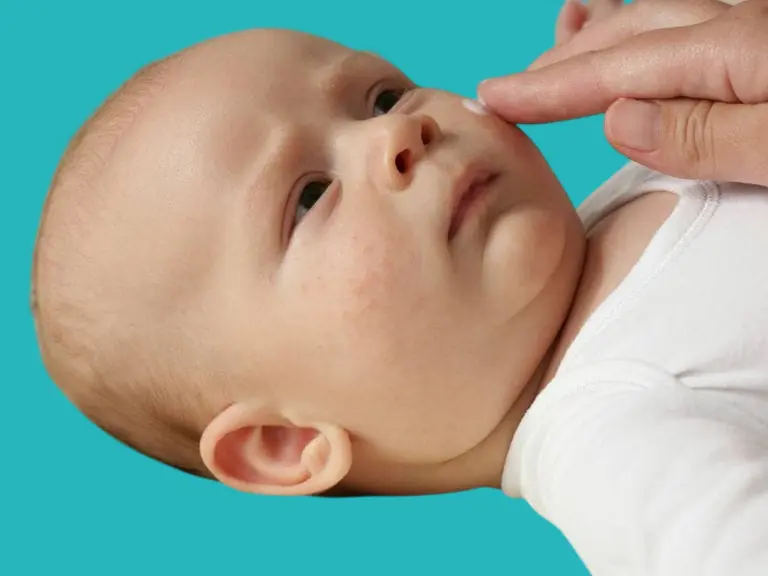 early childhood acne
Early acne in children is the appearance of pimples or white and blackheads on the face, back, or chest at an early age. It may begin in late childhood or before puberty.
This type occurs as a result of sebaceous gland activity or early hormonal changes and is not an indicator of a serious health problem, but it requires special care.
Causes of early acne in children
The factors leading to early acne in children are numerous, and among the most important are:
- Increased secretion of oils from the sebaceous glands.
- Early hormonal changes.
- Using products unsuitable for children's skin.
- Excessive sweating and not cleaning the skin properly.
- A family history of acne.
Daily tips for treating early acne in children
Following a simple daily routine is an essential step in treating early acne in children and includes:
- Washing the face twice daily with a gentle cleanser designated for children.
- Avoiding scrubbing the skin forcefully during cleaning.
- Not squeezing pimples to avoid inflammation and marks.
- Using a towel that is specific to the child and always clean.
- Maintaining skin cleanliness after sweating.
The role of nutrition in reducing early acne in children
Nutrition plays an important role in controlling early acne in children, and the following is recommended:
- Increasing intake of fresh vegetables and fruits.
- Reducing fatty and fried foods.
- Limiting sugars and processed sweets.
- Encouraging the child to drink sufficient amounts of water.
- Providing a balanced diet that supports skin health.
Caring for children's skin and suitable products
Choosing the correct products helps significantly in treating early acne in children, and it is preferable to:
- Use products free of oils and perfumes.
- Avoid heavy creams on the child's skin.
- Use suitable sunscreen when exposed to the sun.
- Adhere only to products recommended by the doctor.
- Stop immediately any product that causes skin irritation.
When does early acne in children need treatment?
In some cases, symptoms may not improve with home care alone, and a doctor should be consulted if:
- Early acne in children persists for a long time without improvement.
- Severe inflammation or pain appears.
- The pimples leave marks or scars on the skin.
- The condition affects the child's psychology.
- It is accompanied by other abnormal symptoms.
Frequently Asked Questions about Early Acne in Children
Is early acne in children dangerous?
Often it is not dangerous,but it requires correct follow-up to prevent the condition from worsening or leaving permanent marks.
Can adult acne medications be used for children?
It is not recommended because children's skin is more sensitive,and treatments designated for children only should be used.
How long does treatment for early acne in children take?
The duration varies according to the severity of the condition and adherence to care,and improvement may take several weeks.
Article Summary
Early acne in children is a common skin problem that requires calm and studied management. Treatment relies on daily skin care, proper nutrition, and choosing suitable products.
While paying attention to signs that necessitate consulting a doctor, early attention to treating early acne in children helps protect the child's skin from complications and boosts their self-confidence in the long term.

Scientific Degree: Pharmacist
Country: Egypt
Pharmacist Hossam Mohamed Abdel-Azim is a Doctor of Pharmacy (PharmD) with a Bachelor of Pharmacy degree from Ismailia University. He has experience in the medical field gained through working in several pharmacies and reading numerous medical references.
He is a medical content writer aiming to provide beneficial content for everyone.
Published Date: 22 December 2025
you should ask your doctor before taking this medicine