Toothache in children is a common and bothersome problem with several causes, including gum inflammation, tooth decay, nerve inflammation, or an abscess, which can affect a child's daily activities.
However, the pain can be easily treated and relieved in several ways, including home remedies, medications, and sometimes a visit to the dentist to determine the appropriate treatment for the child.
What is toothache in children
It is an unbearable pain in the teeth, especially when chewing or drinking hot or cold beverages. This may occur due to the child's lack of attention to oral hygiene.
Causes of toothache in children
Toothache in children occurs due to several reasons, not just lack of brushing. These reasons include:
- Braces.
- Tooth sensitivity.
- Teething in infants.
- A dental abscess.
- Gum inflammation and redness.
- Tooth decay.
- Sinusitis.
- A tooth injury, such as a fracture or crack.
Symptoms of Toothache in Children

The symptoms of toothache in children are usually quite noticeable, but they can vary from child to child:
- Bleeding gums.
- Swelling of the child's cheek.
- Discoloration of the teeth.
- Redness and swelling of the gums.
- Bad breath.
- Insomnia and difficulty sleeping due to pain.
- Pain when chewing or touching the teeth.
- Pain when drinking hot or cold beverages.
How to Diagnose Toothache in Children
Toothache in children is diagnosed by visiting a dentist. The dentist will examine the child's teeth and gums to determine the location and cause of the pain.
The dentist will also ask the mother about the onset of symptoms and the intensity of the pain. X-rays may be taken to check for tooth decay and determine the appropriate treatment for the child.
Treatment Methods for Toothache in Children
Treatment depends on the underlying cause of the toothache and may include:
- Cleaning the gums.
- Using pain medication.
- Filling or extraction by the dentist.
- Applying cold compresses to relieve pain.
- Brush your teeth regularly and keep them clean.
Medications for Toothache in Children
There are several medications to relieve toothache in children, but they should be used under a doctor's supervision. These include:
- Panadol Syrup
- Cetyl Syrup
- Brufen Syrup
- Megafen Syrup
- Augmentin Syrup
- Ibuprofen Syrup
- Gingigel Gel for Children
Home Remedies for Toothache in Children
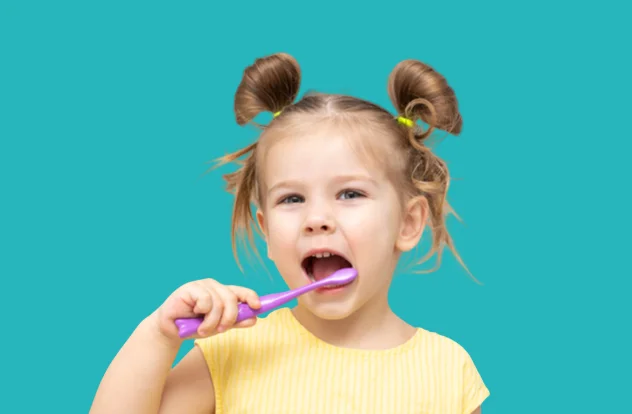
You can soothe your child's pain at home, but this does not replace seeing a doctor to treat the underlying cause of the pain. Some home remedies include:
- Rinsing with warm salt water
- Cleaning teeth and removing food debris
- Applying a cold compress to the affected area
- Rinsing with a mouthwash containing thyme or chamomile extract
- Avoiding anything too hot or cold to prevent increasing the pain
What are the doctor's treatment methods for toothache in children?
The dentist will determine the appropriate treatment for each child based on their individual case, including:
- Gum cleaning.
- Abscess treatment.
- Tooth extraction.
- Tooth filling.
- Treatment for tooth sensitivity.
Frequently Asked Questions
What is the best fast-acting toothache pain reliever for children
A medication containing paracetamol, such as Panadol syrup or Cetal, can be used as directed by the dentist.
When does toothache stop in children
Toothache stops once the cause of the pain is treated, and it often begins a few hours or two after starting treatment.
What are the symptoms of permanent tooth decay in children
Symptoms of permanent tooth decay include the appearance of white spots that turn black, increased sensitivity to hot and cold, and bad breath.
At what age can children receive a root canal
Children can receive a root canal from 3 to 10 years old.
What is the difference between tooth decay pain and nerve pain
Tooth decay pain is intermittent and less severe than nerve pain, which is intense, constant, and may be accompanied by gum swelling and insomnia.
Article Summary
Many children may suffer from toothache due to decay or gum inflammation, exhibiting symptoms such as increased pain when eating or drinking hot or cold beverages.
While there are several ways to treat toothache in children, it is preferable to consult a dentist to address the underlying cause of the pain and determine the best treatment approach for each child's specific case.

Scientific Degree: Pharmacist
Country: Egypt
Dr. Radwa Reda El-Saeed
PhD in Pharmacognosy | Clinical Pharmacist & Medical Content Reviewer
Holding a Bachelor of Pharmaceutical Sciences from Alexandria University and a PhD in Pharmacognosy, Dr. Radwa brings extensive clinical and academic expertise through community pharmacy practice and ongoing engagement with clinical research.
At Rosheta, she authors and reviews pharmaceutical and medical content, adhering strictly to the latest therapeutic guidelines and verified medical references to ensure that readers receive accurate, evidence-based, and safe medication information.
Published Date: 20 November 2025
you should ask your doctor before taking this medicine