Some women may feel embarrassed when talking about vaginal dryness, even though it is one of the most common women's problems. This condition can appear at any age, especially after childbirth, during breastfeeding, or with menopause. It often affects daily comfort and marital relations.
What is vaginal dryness?
Vaginal dryness is a common problem that many women may face at various stages of their lives. It usually occurs as a result of a lack of natural lubrication within the vagina, which can cause discomfort or pain during sexual intercourse. Although the problem can be annoying, it is easily treatable, using both natural and medical methods.
Causes of Vaginal Dryness
There are several factors that can lead to vaginal dryness, the most important of which are:
- Estrogen deficiency: This is most evident after menopause or during breastfeeding.
- Use of certain medications: such as antidepressants or allergy medications.
- Anxiety and psychological stress: Stress affects the body's natural hydration.
- Lack of sexual arousal: This reduces natural secretions during intercourse.
- Other health factors: such as smoking, chemotherapy or radiation therapy, and some chronic diseases.
Symptoms of Vaginal Dryness
Some symptoms that indicate vaginal dryness include:
- Itching or irritation in the intimate area.
- Pain or burning during intercourse.
- Light bleeding or discharge after intercourse.
- Recurrent infections due to poor lubrication.
How to avoid vaginal dryness? Natural treatment tips
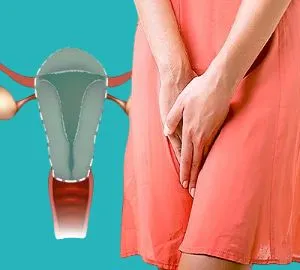
Some simple changes can help alleviate dryness, such as:
- Using natural oils such as coconut oil or olive oil as external moisturizers.
- Drink adequate amounts of water daily to maintain hydration.
- Exercising regularly to stimulate circulation.
- Performing Kegel exercises to strengthen the pelvic muscles and improve blood flow.
- Avoiding chemical vaginal douches, which can increase dryness.

Scientific Degree: Pharmacist
Country: Egypt
Pharmacist Hossam Mohamed Abdel Azeem is a Doctor of Pharmacy (PharmD) and a specialized medical content writer. He holds a Bachelor's degree in Clinical/General Pharmacy from Suez Canal University (Ismailia). With practical experience dating back to 2013 in community pharmacy practice and pharmaceutical consulting, he has worked with prominent establishments such as certified pharmaceutical institutions in Egypt. Dr. Hossam specializes in simplifying complex medical information, analyzing drug interactions, and clarifying medication usage for the general public, ensuring the delivery of reliable, evidence-based medical content.
Published Date: 12 September 2025
you should ask your doctor before taking this medicine