What Is Panic attacks?
Panic disorder is a sudden condition in which a person experiences intense and irrational fear accompanied by physical and psychological symptoms that make the patient believe they are facing a serious danger or about to die.
These attacks are characterized by their unexpected occurrence, even during moments of rest, and they last for a few minutes but feel extremely long to the patient, causing severe confusion and difficulty in controlling the situation.
What Are the Possible Causes?
The most common causes of panic attacks include:
- Persistent psychological stress or daily pressures
- Emotional trauma or loss of a loved one
- Chronic anxiety disorders
- Chemical changes in the brain
- Genetic factors and increased susceptibility
- Excessive intake of caffeine or stimulants
- Certain physical illnesses such as thyroid disorders
What Are the Symptoms That May Indicate Panic Attacks?
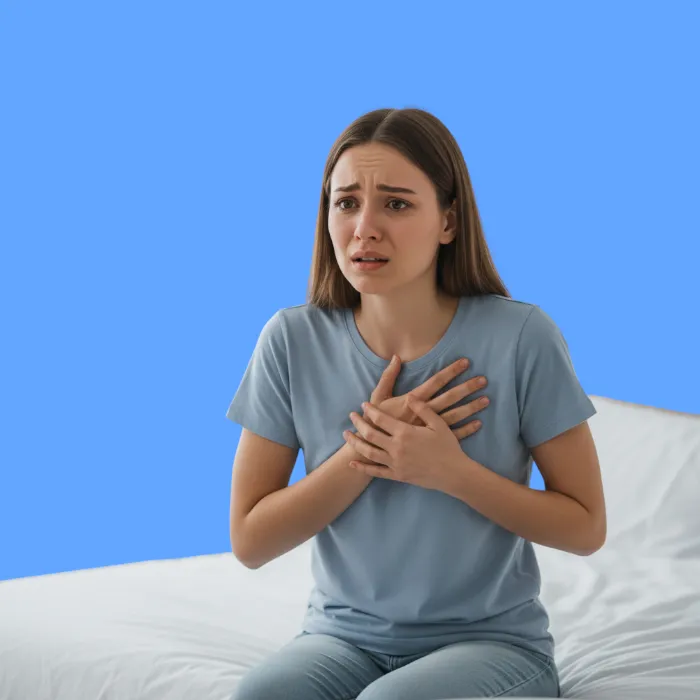
There are several common symptoms that a patient may experience, including:
- Sudden rapid heartbeat
- Shortness of breath or feeling of suffocation
- Excessive sweating or body tremors
- Chest pain or pressure
- Dizziness or loss of balance
- Intense fear of death or losing control
- Numbness in limbs or tingling in the face
When Should You See a Doctor?
It is advised to consult a doctor promptly if any of the following occur:
- Frequent and closely occurring attacks
- Symptoms persist long after the attack ends
- Attacks affect daily life and work
- Signs of depression or suicidal thoughts appear
- Inability to sleep due to constant anxiety
What Are the Available Treatment Methods for Panic Attacks?
There are several ways to treat panic attacks, including:
- Cognitive behavioral therapy to change negative thoughts
- Relaxation techniques such as deep breathing and meditation
- Regular exercise to reduce stress
- Avoiding stimulants like caffeine and smoking
- Family and social support to reduce feelings of isolation
Can Panic Attacks Be Completely Cured?
A patient can fully recover from panic attacks if they commit to psychological treatment and lifestyle changes, especially with early diagnosis.
Recovery time varies from person to person depending on the severity of the condition and the available psychological support, but most patients show significant improvement with proper treatment.
What Are the Recommended Prevention Tips?
Key recommended prevention methods include:
- Regulating sleep and getting enough rest
- Exercising regularly
- Avoiding psychological stress as much as possible
- Staying away from stimulants and alcohol
- Learning daily relaxation techniques
What Are the Possible Complications?
Neglecting treatment for panic attacks may lead to several complications, such as:
- Development into generalized anxiety disorder
- Chronic depression
- Loss of ability to work or study
- Unhealthy dependence on medications
- Increased risk of social isolation
Frequently Asked Questions About Panic Attacks
Are panic attacks dangerous?
No, but they are distressing and require psychological treatment.
How long do panic attacks usually last?
Between 5 to 20 minutes in most cases.
Can panic attacks occur during sleep?
Yes, they can happen suddenly at night.
Can panic attacks go away without treatment?
Rarely, and they often require therapeutic intervention.
Article Summary
Panic attacks are a sudden psychological condition that causes intense fear and disturbing physical symptoms, but they are not dangerous if managed properly.
Prevention and early treatment are key to avoiding complications and improving quality of life, so don't hesitate to seek help when needed.

Scientific Degree: Pharmacist
Country: Egypt
Clinical Pharmacist | Medical & Pharmaceutical Content Writer & Reviewer
A licensed Egyptian pharmacist registered with the Egyptian Pharmacists Syndicate, holding a Bachelor of Pharmaceutical Sciences (B.Pharm.) from the Faculty of Pharmacy, Cairo University in Pharmaceutical Chemistry. She possesses extensive hands-on experience in community pharmacy practice and clinical patient education, specializing in pharmacokinetics, drug-drug interactions, and evidence-based dosing guidelines for both adults and pediatrics.
Dr. Nada serves as a medical writer and reviewer at Rosheta, dedicated to simplifying complex pharmacological data for patients while delivering accurate, up-to-date clinical insights rooted in approved prescribing information and official regulatory standards, including the Egyptian Drug Authority (EDA) and the U.S. FDA.
Published Date: 02 November 2025
you should ask your doctor before taking this medicine