Viral diarrhea in children is one of the most common problems during periods of weather change and the spread of infection, as it directly affects the child's hydration level and digestive health.
In many cases, the symptoms are sudden and require rapid care to prevent complications. Correct treatment depends on understanding the cause of the problem and following precise medical and nutritional steps to ensure the child's safe recovery.
What is viral diarrhea in children?
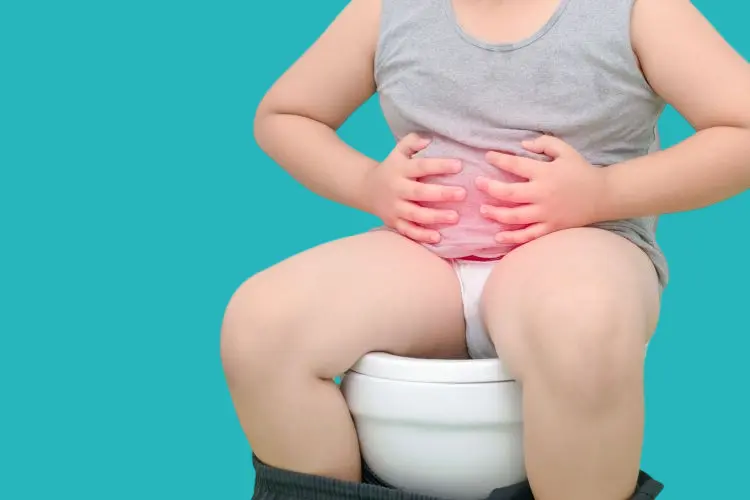 Symptoms of viral diarrhea in children
Viral diarrhea in children is a condition that affects the digestive system as a result of exposure to a viral infection such as rotavirus or norovirus, leading to increased intestinal movement and the passing of watery stools more than usual. It is usually accompanied by vomiting, fever, or mild abdominal cramps and requires fluid replacement to avoid dehydration.
What are the causes of viral diarrhea in children?
Viral diarrhea in children occurs as a result of the transmission of viruses through contaminated food, contact with surfaces, or contact with an infected person. Infection rates increase in nurseries and schools, and weak immunity and poor nutrition play a role in increasing the likelihood of infection.
What are the symptoms of viral diarrhea in children?
The symptoms of viral diarrhea in children include:
- Frequent watery stools
- Vomiting and a slight rise in temperature
- Loss of appetite
- Dry lips
- Crying without tears
- Some children suffer from abdominal cramps or lethargy, which are signs that require close monitoring.
How to treat viral diarrhea in children?
The treatment of viral diarrhea in children depends on fluid replacement using oral rehydration solution, regulating nutrition, and avoiding medications that slow intestinal movement. Probiotics can also be used to improve the balance of beneficial bacteria, with a doctor's follow-up if symptoms persist.
What should a child eat when infected with viral diarrhea?
It is recommended to offer light, easily digestible meals such as white rice, boiled potatoes, apples, bananas, toast, and yogurt. Industrial juices and fatty meals should be avoided because they increase viral diarrhea in children.
When does viral diarrhea require a visit to the doctor?
A doctor should be consulted immediately if signs of severe dehydration appear, or if viral diarrhea in children lasts more than 48 hours, or if there is blood in the stool, persistent vomiting, or high fever.
How do I protect my child from viral diarrhea?
Prevention includes washing hands well, cleaning toys and surfaces, avoiding sharing utensils, and teaching the child hygiene rules. The rotavirus vaccine is also an effective way to limit the spread of viral diarrhea in children.
What is the recovery period from viral diarrhea in children?
Improvement usually takes between 3 to 5 days, and in some cases it may last for a week, provided that treatment steps and fluid replacement are adhered to.
Does viral diarrhea affect a child's growth?
With correct handling, viral diarrhea in children does not affect growth, but dehydration and lack of nutrition can cause sluggishness and temporary weight loss. Therefore, good nutrition must be paid attention to during the recovery period.
Frequently Asked Questions about viral diarrhea in children
Is viral diarrhea contagious?
Yes,viral diarrhea in children is easily transmitted through touch, food, and contaminated surfaces.
Does viral diarrhea require antibiotics?
No,because antibiotics do not treat viruses, and treatment is limited to fluids and appropriate food.
What is the best drink to treat viral diarrhea in children?
Oral rehydration solution is the first choice,followed by water and light natural fluids.
Article Summary
Viral diarrhea in children is a common problem, but it is easily treatable by paying attention to fluid replacement, providing appropriate food, and monitoring warning signs. Prevention, hygiene, and vaccines are essential elements to protect children from recurring infection.

Scientific Degree: Pharmacist
Country: Egypt
Dr. Hossam Mohamed Abdel-Azim is a Doctor of Pharmacy (PharmD) with a Bachelor of Pharmacy degree from Ismailia University. He has experience in the medical field gained through working in several pharmacies and reading numerous medical references.
He is a medical content writer aiming to provide beneficial content for everyone.
Published Date: 15 December 2025
you should ask your doctor before taking this medicine