Caring for oily hair requires a delicate balance between cleansing the scalp and maintaining adequate hydration without weighing the hair down. Many women experience increased oil production, which can make their hair look unclean.
Choosing the right products helps reduce excess oil, and adhering to a consistent routine improves scalp health without drying it out. With the right steps, you can achieve stronger, healthier hair.
Controlling Natural Oil Production
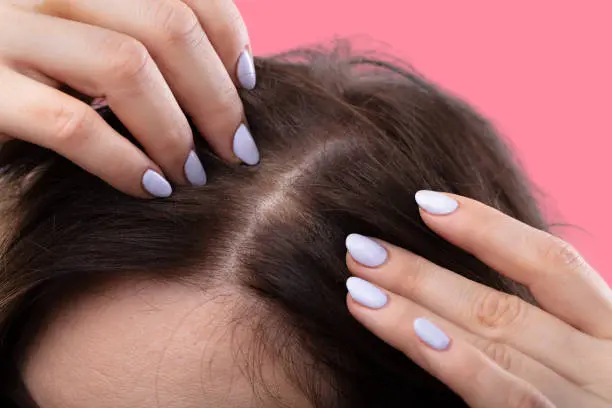 Ways to care for an oily scalp
Caring for oily hair begins with regulating and reducing excess oil on the scalp. This can be achieved by:
- Using a shampoo specifically formulated for oily hair.
- Avoid heavy or overly moisturizing shampoos.
- Washing your hair only when necessary, without overdoing it.
Choosing the Right Shampoo for Your Scalp
The scalp plays a crucial role in reducing excess oil, so choosing the right shampoo is essential:
- Shampoos containing sulfates are preferable for deep cleansing.
- Choose products containing salicylic acid or charcoal.
- Change your shampoo periodically if your hair becomes accustomed to it.
The Importance of Washing the Scalp Correctly
Caring for oily hair begins with washing the scalp correctly, as this directly affects oil production. Therefore, you should:
- Gently massage your scalp without rubbing vigorously.
- Rinse your hair thoroughly to remove all shampoo residue.
- Avoid hot water, as it stimulates oil production.
The Role of Conditioner in Hair Care
Conditioner should be used carefully to maximize its benefits while minimizing excess oil in the hair by:
- Applying conditioner only to the ends of the hair.
- Completely avoiding contact with the scalp to prevent hair loss.
- Choosing lightweight, non-greasy conditioners.
Home Remedies to Reduce Oil
Some natural remedies can help reduce excess oil safely, including:
- Using diluted apple cider vinegar to rinse your hair.
- Doing a hot oil treatment with peppermint oil, which refreshes the scalp.
- Applying rose water to the scalp to soothe it.
- Using sidr (jujube) to deeply cleanse the scalp.
Avoid Habits That Increase Oil Production
Some daily habits can increase oil production, so caring for oily hair requires the following:
- Avoid excessive brushing.
- Reduce the use of heat styling tools.
- Avoid touching your hair constantly.
Nutrition and a Healthy Diet
Caring for oily hair depends on your diet because it significantly affects scalp health. Therefore, you should:
- Drink plenty of water throughout the day.
- Reduce fat and sugar intake.
- Eat fruits and vegetables rich in minerals.
Frequently Asked Questions about Caring for Oily Hair
Can I wash oily hair daily?
It's preferable to wash it every other day, but you can wash it daily if you have a lot of oil, but avoid harsh shampoos.
Can I use natural oils on oily hair?
They can be used in small amounts and only on the ends, as applying them to the scalp increases oil production.
Does cutting your hair reduce oil production?
Cutting your hair doesn't affect oil production because it depends on the health of the scalp, not the ends.
Is dry shampoo beneficial for oily hair?
Yes, it helps absorb excess oil, but it doesn't replace washing your hair.
Article Summary
Caring for oily hair depends on choosing suitable products, gently cleansing the scalp, and avoiding habits that promote oil production.
Natural remedies and a balanced diet also help achieve better results in reducing excess oil and preventing product buildup. By adhering to a consistent routine, you can maintain healthy, vibrant-looking hair all day long.

Scientific Degree: Pharmacist
Country: Egypt
Dr. Radwa Reda El-Saeed
PhD in Pharmacognosy | Clinical Pharmacist & Medical Content Reviewer
Holding a Bachelor of Pharmaceutical Sciences from Alexandria University and a PhD in Pharmacognosy, Dr. Radwa brings extensive clinical and academic expertise through community pharmacy practice and ongoing engagement with clinical research.
At Rosheta, she authors and reviews pharmaceutical and medical content, adhering strictly to the latest therapeutic guidelines and verified medical references to ensure that readers receive accurate, evidence-based, and safe medication information.
Published Date: 10 December 2025
you should ask your doctor before taking this medicine