What is a ligament tear?
A ligament tear is one of the common injuries that occurs when a joint is subjected to severe strain or an abnormal movement, leading to stretching or tearing of the fibrous tissues that connect the bones together.
This condition can affect any joint in the body, most commonly the ankle and knee, and it causes noticeable pain and difficulty in movement.
Causes of ligament tear
The most common causes of ligament tear include:
- Sudden falls while walking or playing sports.
- Strong twisting movements in the joint.
- Jumping and landing incorrectly.
- Playing sports that require quick changes in direction.
- Wearing inappropriate shoes during physical activity.
- Weak muscles supporting the joint.
- Accidents or direct trauma to the joint.
Symptoms of ligament tear
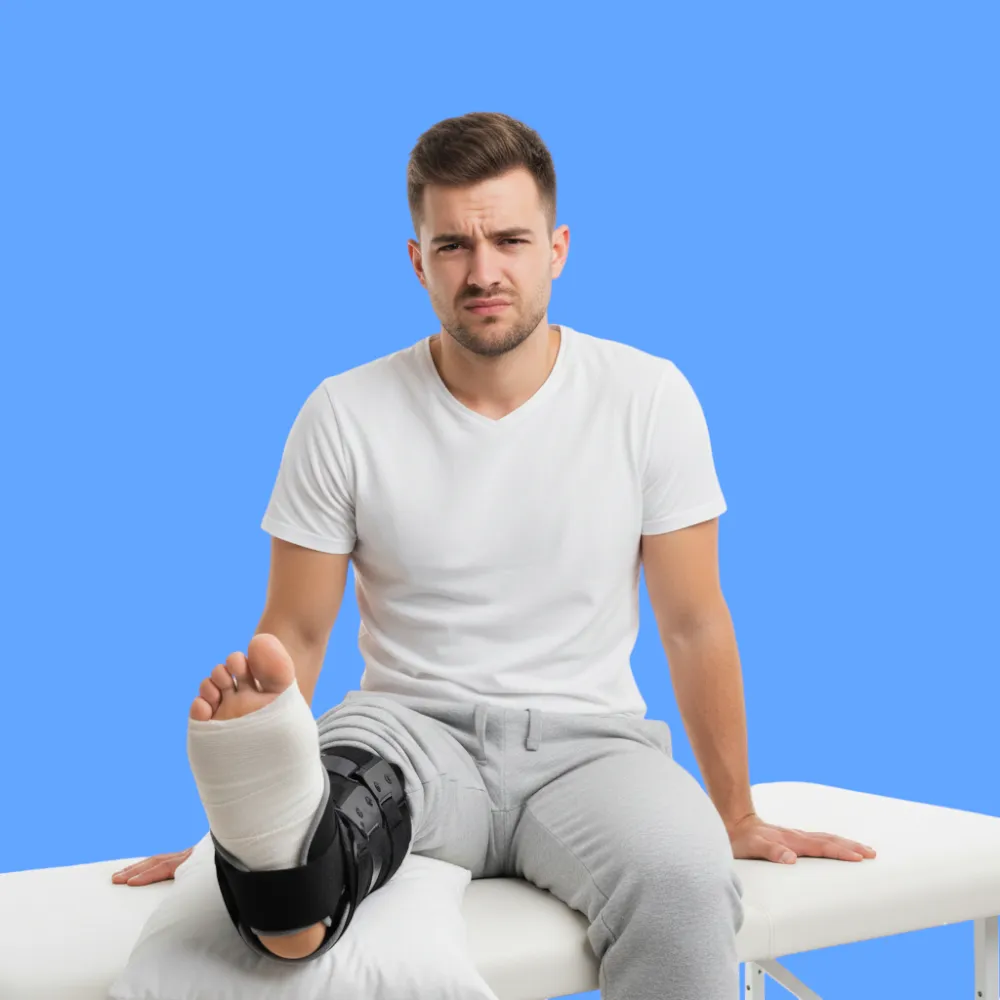
Common symptoms a patient may experience include:
- Sharp pain in the affected area.
- Noticeable swelling around the joint.
- Bruising or skin discoloration.
- Difficulty moving the joint or loss of range of motion.
- Feeling of instability when moving the joint.
- Hearing a popping sound at the time of injury.
How is ligament tear diagnosed?
Diagnosis is usually made through a physical examination that evaluates joint movement and response, where the doctor checks stability and mobility.
In many cases, MRI or X ray imaging is used to accurately determine the severity of the tear and rule out fractures or other injuries. This step is essential for creating an appropriate treatment plan that ensures safe recovery of joint function.
Treatment of ligament tear
There are several ways to treat ligament tear, including:
- Rest and avoiding pressure on the injured joint.
- Applying cold compresses to reduce swelling.
- Physical therapy to strengthen muscles and improve movement.
- Wearing braces or splints to stabilize the joint.
- Taking pain-relief medications under medical supervision.
- Surgery in severe cases to repair torn ligaments.
When should you see a doctor?
You should seek medical attention immediately if you experience any of the following:
- Inability to move the joint or bear weight on it.
- Persistent severe pain despite rest.
- Significant swelling or widespread bruising.
- Numbness or loss of sensation in the affected area.
- Hearing a popping sound at the time of injury with loss of movement.
- Visible deformity in the joint's shape.
Tips to prevent ligament injuries
Recommended prevention methods include:
- Perform stretching exercises before any physical activity.
- Wear proper shoes that provide good joint support.
- Regularly strengthen muscles around the joints.
- Avoid sudden movements or strong twists.
- Maintain a healthy weight to reduce joint stress.
- Use protective gear when playing high-impact sports.
Frequently Asked Questions
Is a ligament tear serious?
It depends on the severity and may require surgery in severe cases.
How long does it take to recover from a ligament tear?
Recovery can take weeks to months depending on the severity.
Can a ligament tear be treated at home?
Mild cases can be managed with rest and ice, but consult a doctor.
What is the difference between a sprain and a ligament tear?
A sprain is less severe and involves stretching, while a tear means partial or complete rupture.
Article Summary
A ligament tear is a common injury caused by joint strain or abnormal movement, leading to pain, swelling, and difficulty in daily activities.
Treatment varies based on severity and may include rest, physical therapy, or surgery, while prevention through proper exercise and joint care is essential to avoid recurrence.

Scientific Degree: Pharmacist
Country: Egypt
Clinical Pharmacist | Medical & Pharmaceutical Content Writer & Reviewer
A licensed Egyptian pharmacist registered with the Egyptian Pharmacists Syndicate, holding a Bachelor of Pharmaceutical Sciences (B.Pharm.) from the Faculty of Pharmacy, Cairo University in Pharmaceutical Chemistry. She possesses extensive hands-on experience in community pharmacy practice and clinical patient education, specializing in pharmacokinetics, drug-drug interactions, and evidence-based dosing guidelines for both adults and pediatrics.
Dr. Nada serves as a medical writer and reviewer at Rosheta, dedicated to simplifying complex pharmacological data for patients while delivering accurate, up-to-date clinical insights rooted in approved prescribing information and official regulatory standards, including the Egyptian Drug Authority (EDA) and the U.S. FDA.
Published Date: 14 November 2025
you should ask your doctor before taking this medicine