Many women suffer from skin pigmentation problems, which vary in cause and type. These pigmentations appear as a result of sun exposure, hormonal changes, or acne scars, affecting the skin's appearance and self-confidence.
There are different ways to treat them, ranging from natural remedies to medical treatments. The importance of treating skin pigmentation lies in choosing the appropriate method for each skin type.
Natural Ingredients for Skin Lightening
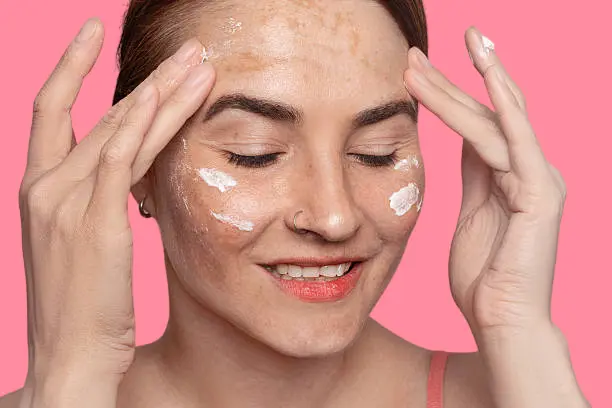 Treating skin pigmentation with natural methods
Treating skin pigmentation with natural ingredients is a popular option for those who prefer safe solutions because it:
- Helps to gradually lighten the skin tone.
- Reduces the appearance of dark spots.
- Gives the skin a natural glow.
- Is suitable for regular use.
- Reduces mild pigmentation.
Daily Skin Care
Treating skin pigmentation through a daily routine contributes to improving skin tone by:
- Cleansing the skin regularly.
- Moisturizing the skin consistently.
- Using sunscreen.
- Reducing the appearance of new pigmentation.
- Maintaining healthy skin.
Exfoliation to Remove Dead Skin Cells
Skin pigmentation treatment relies on exfoliation to remove dark layers because it:
- Removes dead skin cells.
- Regenerates skin cells.
- Helps even out skin tone.
- Improves cream absorption.
- Gives skin a smooth texture.
Topical Medical Creams
Skin pigmentation can be treated with medical creams containing panthenol under medical supervision because it:
- Helps lighten deep spots.
- Reduces hyperpigmentation.
- Treats melasma and freckles.
- Provides gradual and safe results.
Laser Treatment for Pigmentation
Laser treatment for skin pigmentation is a modern and effective method because it:
- Targets deep pigmentation.
- Evens skin tone.
- Gives quick lightening results.
- Is performed under medical supervision.
Chemical Peels
Skin pigmentation treatment relies on chemical peels to improve the skin's appearance because it:
- Removes dark surface layers.
- Helps regenerate the skin.
- Reduces deep spots.
- It improves skin tone but requires a recovery period.
Nutrition and its role in treatment
Skin pigmentation can be treated indirectly through a healthy, balanced diet:
- Promote skin health from within by eating leafy green vegetables.
- Reduces the appearance of spots by drinking lemon juice.
- Supports cell regeneration.
- Improves skin radiance with natural juices.
- Strengthens the skin's immunity.
Preventing pigmentation and spots
Prevention is an important part of long-term skin pigmentation treatment by:
- Avoiding direct sun exposure and using sunscreen daily.
- Wearing hats and sunglasses.
- Reducing the recurrence of pigmentation.
- Maintaining treatment results.
Frequently asked questions about getting rid of skin pigmentation
Can skin pigmentation be permanently eliminated?
It can be significantly reduced with adherence to the appropriate treatment.
How long does it take to treat skin pigmentation?
It varies depending on the type of pigmentation and the treatment method, but results are usually seen within two weeks.
Are natural remedies effective in getting rid of skin pigmentation?
Yes, it is effective and safe for mild pigmentation, but it requires patience.
Do skin pigmentation return after treatment?
It may return if daily skin moisturizing is neglected.
Article Summary
Treating skin pigmentation depends on understanding the cause and choosing the appropriate method, whether natural or medical. With consistent daily care and ongoing prevention, skin tone can be improved, pigmentation can be significantly reduced, and the skin can be maintained with a healthy and even appearance at all times.

Scientific Degree: Pharmacist
Country: Egypt
Dr. Radwa Reda El-Saeed
PhD in Pharmacognosy | Clinical Pharmacist & Medical Content Reviewer
Holding a Bachelor of Pharmaceutical Sciences from Alexandria University and a PhD in Pharmacognosy, Dr. Radwa brings extensive clinical and academic expertise through community pharmacy practice and ongoing engagement with clinical research.
At Rosheta, she authors and reviews pharmaceutical and medical content, adhering strictly to the latest therapeutic guidelines and verified medical references to ensure that readers receive accurate, evidence-based, and safe medication information.
Published Date: 18 December 2025
you should ask your doctor before taking this medicine