Knowing your skin type is a fundamental step in a proper skincare routine. Understanding your skin's characteristics and needs helps you choose the right products, as many skin problems stem from using a routine incompatible with your skin type.
Observing your skin after washing
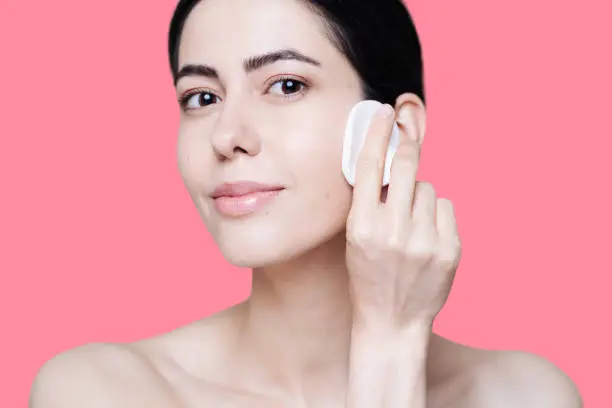 Observe the skin after washing to determine its type
Determining your skin type begins with observing your skin after cleansing it without any products by:
- Washing your face with a salt water cleanser.
- Waiting 30 to 60 minutes after drying your face.
- Observing any tightness or shine.
- Recording any redness or dryness.
Using tissues to check for oiliness
Tissues help determine your skin type practically and quickly by:
- Pressing the tissues against different areas of your face.
- Observing the amount of oil present.
- Noting the difference between your forehead and cheeks.
- Repeating the test at different times after washing your face.
Observing how tight your skin feels
Skin texture can be an effective way to accurately determine your skin type, as:
- A persistent feeling of tightness indicates dryness.
- Excessive shine is a sign of oily skin.
- A balanced complexion often indicates normal skin.
- Easily irritated skin may indicate sensitive skin.
Observing Pores and Blemishes
Pores play a crucial role in determining skin type and identifying skin problems. For example:
- Large pores indicate oily skin.
- Small pores often indicate dry skin.
- Frequent blackheads are a sign of oily skin.
Reaction to Cosmetics
Skin's reaction to products helps determine skin type more clearly. For example:
- Creams that absorb quickly may indicate dry skin.
- Irritation after application may indicate sensitive skin.
- Increased shine after moisturizing may indicate oily skin.
The Effect of Weather and External Factors
Skin's response to weather changes contributes to a more accurate understanding of skin type. For example:
- Dryness increases in winter for dry skin.
- Oil production increases in summer for oily skin.
- Sensitive skin is prone to inflammation with seasonal changes.
Consulting a Dermatologist
A medical consultation can be a reliable and quick way to accurately determine your skin type. Therefore, you should:
- Visit a dermatologist.
- Have a direct examination of your skin cells.
- Analyze any chronic skin problems.
- Get a suitable skincare routine.
Frequently Asked Questions about Determining Skin Type
Can skin type change?
Yes, it can change due to age, hormones, or weather.
Does combination skin produce excessive oil?
Yes, often in hot weather or due to hormonal changes.
Is oily skin necessarily sensitive?
No, sensitivity can affect any skin type.
Can I use cleansers for oily skin on combination skin?
No, it's best to choose products specifically formulated for combination skin.
Article Summary
Determining your skin type begins with carefully observing its appearance and texture. Combining simple tests with understanding how your skin reacts to products and external factors allows you to gain a true understanding of your skin.
Choosing the right products and materials for your skin type helps maintain a strong and healthy skin barrier in the long run and allows you to fully benefit from skincare.

Scientific Degree: Pharmacist
Country: Egypt
Dr. Radwa Reda El-Saeed
PhD in Pharmacognosy | Clinical Pharmacist & Medical Content Reviewer
Holding a Bachelor of Pharmaceutical Sciences from Alexandria University and a PhD in Pharmacognosy, Dr. Radwa brings extensive clinical and academic expertise through community pharmacy practice and ongoing engagement with clinical research.
At Rosheta, she authors and reviews pharmaceutical and medical content, adhering strictly to the latest therapeutic guidelines and verified medical references to ensure that readers receive accurate, evidence-based, and safe medication information.
Published Date: 14 December 2025
you should ask your doctor before taking this medicine