Sinusitis in children is one of the common respiratory problems during the cold seasons and may cause nasal congestion, difficulty breathing, headaches, and discomfort. Identifying the condition's symptoms and its home and medical treatment methods helps improve the child's breathing and reduce inflammation faster.
Causes of sinusitis in children
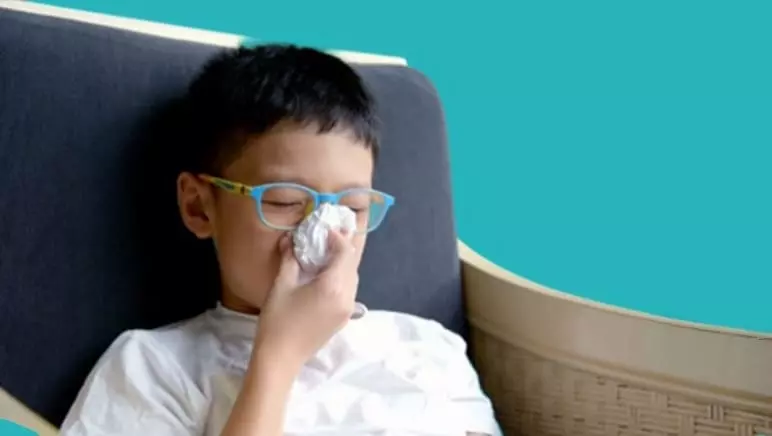 Sinusitis in children
Sinusitis in children may occur due to a viral infection associated with a cold, seasonal allergies, enlarged adenoids, exposure to pollutants, or poor body hydration. In some cases, repeated infections lead to swelling of the inner nasal membranes and difficulty draining fluids.
What are the symptoms of sinusitis in children?
- Nasal blockage and difficulty breathing.
- Yellow or green nasal discharge.
- Pain or pressure around the eyes and nose.
- Headache or pain in the forehead.
- A cough that increases at night.
- Slight rise in temperature.
- Unusual bad breath.
The importance of early diagnosis
Early diagnosis and knowing the cause of sinusitis in children helps determine the severity and type of inflammation, whether bacterial or viral, which directs treatment correctly and prevents complications such as ear infections or chronic nasal obstruction.
Ways to relieve sinusitis in children at home
Home remedies for treating sinusitis in children include:
- Keeping the body warm and drinking warm fluids.
- Using a steam bath for minutes to open the nasal passage.
- Slightly elevating the child's head during sleep alleviates congestion and improves breathing noticeably.
The role of saline solutions in improving nasal congestion
Saline drops or sprays are among the most effective methods in cases of sinusitis in children, as they work to moisturize the nasal passages, reduce inflammation, and facilitate the exit of secretions without causing irritation or side effects.
Medications to relieve sinusitis in children
The doctor may prescribe mild decongestants, allergy medications, or an antibiotic in case of a bacterial infection. The choice of medication depends on the child's age and the severity of the condition, therefore, using any medication without medical consultation is prohibited.
The importance of boosting immunity during sinusitis in children
Supporting immunity helps speed up recovery and reduce the recurrence of inflammation. Among the most important means are:
- Good sleep.
- Eating vegetables rich in vitamin C.
- Body hydration.
- Reducing sugars that may increase inflammation.
Daily tips to relieve symptoms
Some tips that may reduce sinusitis in children, such as:
- Reducing exposure to dust.
- Ventilating the home.
- Cleaning the air conditioner.
- Washing hands constantly.
- Avoiding strong odors and air pollutants.
When does the child need to go to the doctor?
In case the pain continues for more than 10 days, or there is a high fever, worsening breathing, or swelling around the eyes, a doctor should be consulted immediately to assess the condition and develop an appropriate treatment plan.
Frequently asked questions about sinusitis in children
Can sinusitis in children turn into chronic inflammation?
Inflammation may become chronic if the infection is repeated or not treated properly.
Does allergy cause sinusitis in children?
Nasal allergy is one of the most common causes of recurrent inflammation in children.
What is the best drink to help soothe sinusitis?
Warm fluids such as chamomile and peppermint work to improve breathing and reduce congestion.
Article summary
Sinusitis in children is a common problem but can be controlled by recognizing its early symptoms and providing appropriate home care. Using saline solution, ventilating the home, and good hydration greatly help improve symptoms.
While some children need drug treatment according to the doctor's diagnosis, maintaining the child's immunity and a healthy lifestyle reduces the recurrence of sinusitis in children and speeds up the recovery process.

Scientific Degree: Pharmacist
Country: Egypt
Pharmacist Hossam Mohamed Abdel Azeem is a Doctor of Pharmacy (PharmD) and a specialized medical content writer. He holds a Bachelor's degree in Clinical/General Pharmacy from Suez Canal University (Ismailia). With practical experience dating back to 2013 in community pharmacy practice and pharmaceutical consulting, he has worked with prominent establishments such as certified pharmaceutical institutions in Egypt. Dr. Hossam specializes in simplifying complex medical information, analyzing drug interactions, and clarifying medication usage for the general public, ensuring the delivery of reliable, evidence-based medical content.
Published Date: 08 December 2025
you should ask your doctor before taking this medicine