After the age of 60, the eyes become more sensitive to environmental and health changes, making eye infections more common in women.
This age group requires special care due to age-related immune system changes and dryness to maintain eye health.
Types of Eye Infections in Women After 60
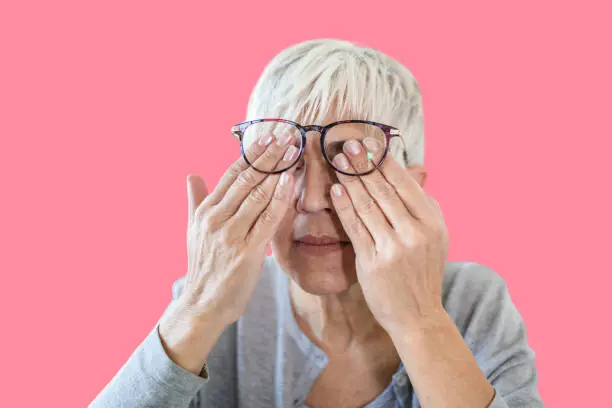
There are many types of eye infections in women, and their occurrence increases with age:
- These infections can be caused by bacteria, viruses, or allergies.
- Women are more prone to hormonal dryness after the age of 60.
- Early diagnosis prevents complications such as vision loss.
Causes of Eye Infections After 60
The triggers for eye infections in women increase due to health and behavioral factors, including:
- Decreased tear production with age.
- Use of medications that reduce lubrication, such as diuretics.
- Weakened immunity, which makes them more susceptible to infection.
Signs That Require Consulting a Doctor
Some symptoms of eye infections in women should not be ignored due to their potential for rapid progression. These include:
- Severe redness or persistent pain.
- Thick discharge or changes in vision.
- Increased sensitivity to light or swollen eyelids.
Available Medical Treatments for Eye Infections
Treatments for eye infections in women vary depending on the type and severity of the infection. These include:
- Topical antibiotics for bacterial infections.
- Antiviral eye drops for viral infections.
- Antihistamines for allergies.
Important Note: Consult an ophthalmologist before taking any medication.
Safe and Helpful Home Remedies
Some home remedies can relieve the symptoms of eye infections in women without harm. These include:
- Warm compresses to open the tear ducts and reduce inflammation.
- Keeping eyelids clean using lukewarm water and cotton.
- Using artificial tears for lubrication.
- Avoid applying any non-medical remedies, such as honey or herbs, directly to the eyes.
The Impact of Lifestyle on Eye Health After 60
Daily habits play a significant role in preventing and treating eye infections in women after 60. These include:
- Drinking sufficient amounts of water.
- Eating a diet rich in omega-3 fatty acids to maintain hydration.
- Get enough sleep and reduce eye strain.
- Avoid eye makeup or replace it with safe, medical-grade products.
Ways to Prevent Eye Infections After 60

Preventive measures can help reduce the likelihood of eye infections in women over 60, such as:
- Washing your hands before touching your eyes.
- Not sharing towels or cosmetics.
- Wearing protective eyewear in dusty environments.
- Having a regular eye exam every 6–12 months.
Frequently Asked Questions about Eye Infections After 60
Is dry eye in women a direct cause of infections?
Yes, dryness weakens the protective tear film, making it easier for microbes to enter.
Can antibiotic eye drops be used without consulting a doctor?
No, you should consult a doctor, as misuse can lead to bacterial resistance.
Does an eye infection permanently affect vision in women?
Generally not, but neglect can lead to complications that affect vision.
Are eye infections in women contagious?
Some infections, such as bacterial and viral infections, can be transmitted through touch or shared towels.
Article Summary
Eye infections in women over 60 are a common problem, but they are treatable and preventable by following simple steps. Early diagnosis, appropriate treatment, maintaining good eye hygiene, and a healthy lifestyle are all essential factors in reducing symptoms.
Maintaining women's vision also depends on regular checkups and medical follow-up, especially after age 60, when the risk of developing infections increases.

Scientific Degree: Pharmacist
Country: Egypt
Dr. Radwa Reda El-Saeed
PhD in Pharmacognosy | Clinical Pharmacist & Medical Content Reviewer
Holding a Bachelor of Pharmaceutical Sciences from Alexandria University and a PhD in Pharmacognosy, Dr. Radwa brings extensive clinical and academic expertise through community pharmacy practice and ongoing engagement with clinical research.
At Rosheta, she authors and reviews pharmaceutical and medical content, adhering strictly to the latest therapeutic guidelines and verified medical references to ensure that readers receive accurate, evidence-based, and safe medication information.
Published Date: 25 November 2025
you should ask your doctor before taking this medicine